Best Practices on this page include practical programs that have been successful in at least one parish, and that could potentially be implemented in other parishes. Browse for the latest Best Practices below or search across the multiple areas of parish life.
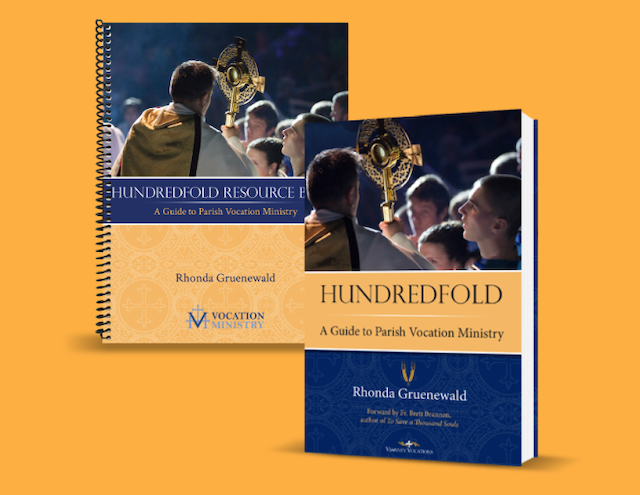
Ministry helping men and women say "YES" to God's call in their lives.
Mar 11, 2020: Create a vocation-friendly environment where parishioners are encouraged to ask God what His will in their lives.
Categories: Vocation Promotion, Ongoing Priestly Formation, Administration and Finance
Equip Athens- "Equipping young adults to grow in Christ."
Feb 25, 2018: A creative, effective path for Young Adult ministry.
Categories: Youth, Outreach, Faith Formation
Conquest Youth Ministry
Oct 22, 2017: Helping boys 5th – 12th grade to know and love Christ with real friendship; the Pope and Church with loyalty; Mary as a son; and every person with genuine respect and charity.
That Man Is You- "Forming Husbands and Fathers"
Feb 25, 2017: "That Man is You! honestly addresses the pressures and temptations that men face in our modern culture."
Categories: Outreach, Faith Formation
Young People Learn True Meaning of Happiness
Aug 14, 2011: Parish Uses a Healing the Culture Program to Educate Its Youth
School of Virtue: K4J Helps Catholic Parish & School
Jul 25, 2011: St. Thomas More uses K4J School of Virtue Program to enhance its catechesis.
Parish VBS Offers Truly Catholic Curriculum
Jun 20, 2011: St. Mary's Vacation Bible School enhances religious education program.
Categories: Youth, Outreach, Family, Faith Formation
Making Pentecost Come Alive for Kids and Parents
Apr 25, 2011: A simple, powerfully effective method for families and parishes to recognize the gifts of the Holy Spirit within their children.
Categories: Youth, Family, Faith Formation
24 Hours of Grace
Mar 21, 2011: Priests come together to offer 24 hours of Reconciliation and adoration for those who need it most.
Categories: Sacraments, Outreach
Parish Night at the Movies
Feb 7, 2011: Ignatius Press offers a redeeming alternative to the usual movie rental fare.
Categories: Youth, Outreach, Family, Administration and Finance